
The holiday rental check-in is the moment when an exceptional house either keeps the promise of its listing or does not. For guests used to grand hotels, arrival is not just a matter of handing over the keys: it begins several days beforehand, with an agreed time and a house prepared for these particular guests, and continues with a clear tour of the equipment and a discreet presence should anything unexpected arise. This guide describes how a personalised arrival is organised, from preparing the property to handling delays.
Holiday rental check-in: preparing the house before arrival
A successful arrival is largely decided before the guest passes through the gate. This is what distinguishes a luxury Airbnb management company from a simple key-handover service: the house is prepared for specific people, at a specific time, and not merely cleaned between two stays. This preparation follows a logical order. Cleaning and linen are completed first, then come the ambience settings (temperature, air, light), followed by the welcome touches and finally a check carried out shortly before arrival. Depending on the contract you sign with it, the concierge company you choose carries out these steps or coordinates them with its teams; conciergerie.luxe, which introduces you to it, plays no part in carrying them out.
Temperature, air and light
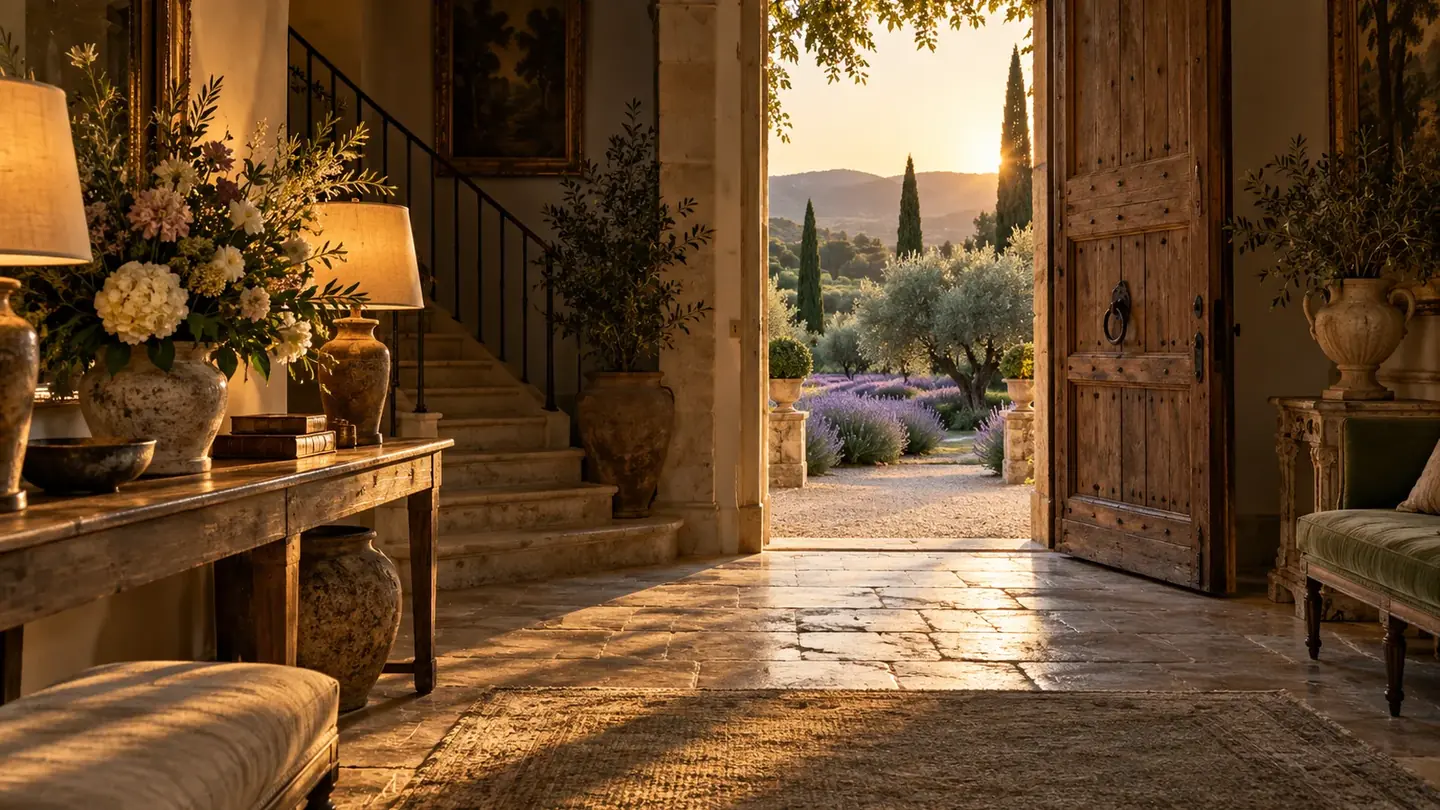
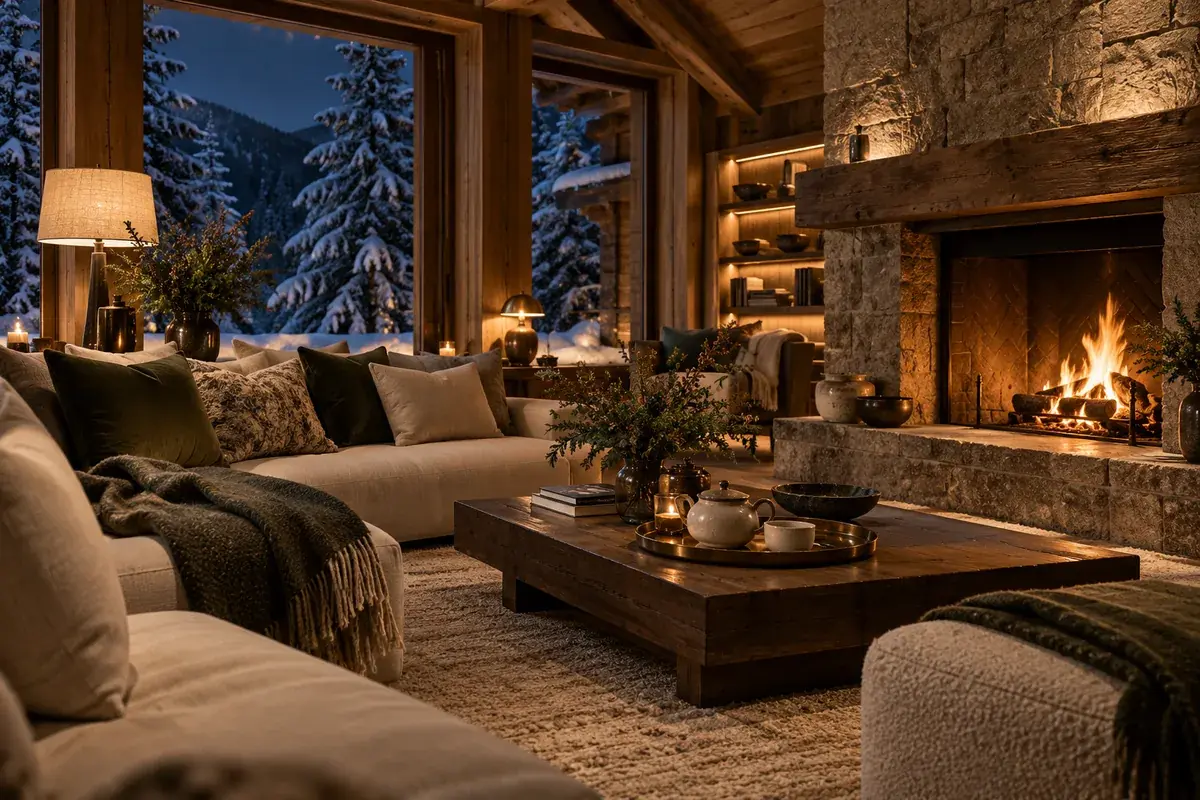
A guest’s first impression is physical before it is visual. A villa left closed for several days in high summer must be cooled in advance, and a chalet in winter brought back up to temperature early enough for the walls and floors to have lost their chill, which takes longer in stone or solid timber buildings. The house is also aired and then closed again, to clear any musty smell or odour of cleaning products. For light, everything depends on the time of day: shutters open and sheers drawn for a daytime arrival, ambient lighting switched on in the hall, the living room and on the terrace for an evening arrival. Smart thermostats allow these settings to be made remotely, but nothing replaces an on-site check, room by room.
Flowers, table and first touches
Welcome touches should remain consistent with the style of the house and understated in their expression. A seasonal bouquet of local flowers, cool water and a few glasses set out on the terrace, a basket of fruit: these gestures are worth more than an accumulation of products. The key is to tailor them to what you know about the stay from earlier exchanges, such as a birthday, young children or a late arrival after a long flight, which calls for a light snack rather than a bottle. Flowers impose a practical constraint: delivered on the day, they require a reliable florist and someone to arrange them. Finally, avoid strong home fragrances, which may bother sensitive or allergic guests.
The final check before arrival
A few hours before arrival, a check visit allows the house to be seen through the guest’s eyes. The person in charge of the welcome walks through each room in the order of the future tour, checks that the beds are made with the planned linen, that the bathrooms are fully stocked, that the kitchen has basic groceries and that nothing has been forgotten. They test the sensitive equipment (wifi, television, hot water, pool or spa heating), check the outdoor lighting and access to parking. A few dated photos record the condition of the property at that moment, which will be invaluable if damage is found on departure. This check is also the last moment when a fault can be corrected without anyone noticing.
Welcoming guests to a luxury rental: agreeing the time and manner of arrival
The arrival time determines the organisation of the whole day: cleaning after the previous stay, preparation, availability of the person doing the welcome. It also has an economic effect, because the flexibility granted on timings affects how stays follow one another and therefore the profitability of a short-term rental whose changeovers often take place on the same day. At the top end of the market, the aim is not to impose a rigid slot but to agree it in advance, in writing, taking the guest’s journey into account, and to offer solutions when the desired time is not compatible with the previous departure. Three topics therefore come up with every stay, whatever the season: arrival information, requests for early check-in and the choice of welcome arrangement.
Gathering the arrival time and journey details
A first message, sent about a week before the stay, asks for the estimated arrival time, the means of transport (flight number, train, car, helicopter), the exact number of guests and any special requests. A confirmation the day before refines the timing and recalls the precise address, parking and the number to call. For a guest arriving by plane, tracking the flight makes it possible to adjust the welcome without asking them to give notice. When the house is hard to find (private lane, hamlet without house numbers, gated estate), a meeting point or illustrated directions avoid wandering at the end of the journey. These exchanges are also the opportunity to offer what the concierge company can arrange: an airport transfer, groceries delivered before arrival, a table booked for the first evening.
- One week before: estimated time, transport, group composition and special requests.
- The day before: confirmed time, exact address, parking and a contact number.
- On the day: flight or journey tracking, final check and welcome message.
- On arrival: welcome, tour tailored to the group, handover of access and the guidebook.
Early arrival and luggage storage
Requests for early arrival are common among guests who land in the morning. The answer depends on the calendar: if the house is free the night before, it can be ready from the morning, possibly for an advertised supplement; if a departure takes place the same day, arrival cannot precede the end of cleaning and the check. In between, several solutions avoid leaving the guest with nowhere to go: dropping luggage in a space prepared first, opening the terrace and pool before the bedrooms are ready, recommending lunch nearby. What matters is to reply early and clearly, rather than promise a flexibility that would force a rushed preparation. A consistent written rule, known to the whole team, avoids improvised decisions.
Welcome in person or supported self check-in
For demanding guests, a welcome in person remains the benchmark: it allows the house to be presented, questions to be answered and a connection to be established that will make the rest of the stay easier. Some guests nevertheless prefer to arrive on their own, particularly late in the evening or out of a wish for discretion. Self check-in is not incompatible with the high end, provided it is properly supported: a personal access code sent shortly before arrival, a welcome message, a video presentation of the equipment, someone reachable immediately and a tour offered the next morning. The choice is made with the guest, not for convenience. In a building under co-ownership, also check that the rules allow the chosen access system, as some residences restrict key boxes (general information, up to date as of October 2026).
Personalised arrival: touring the property and its equipment
The tour is the moment when the welcome becomes truly personalised. It is prepared like a route, with an order, a duration and a level of detail suited to the guests, and its terms deserve to be set out in the Airbnb concierge contract: time spent on site, languages, hours covered, handling of night arrivals. A tour that is too long tires guests just off a long journey; a tour that is too quick leaves unanswered questions that will come back by phone late in the evening. The right format is measured in minutes rather than hours, with the option of returning to a piece of equipment the next day. The person doing the welcome must know the house better than anyone, quirks included: a temperamental tap, a shutter that has to be operated by hand.
The order of the tour
Start with what the guests will need within the hour: getting in and locking up, wifi, lighting, setting the temperature in the bedrooms. Then come the living areas, the kitchen and its appliances, then the bedrooms and bathrooms, before finishing outdoors (terrace, pool, garden, garage). The logic is simple: urgent information is given while attention is at its fullest. Adapt it to the group: a family with young children will want to see the bedrooms and the pool safety features first, while a couple on a gastronomic break will be interested first in the kitchen and the wine cellar. Finally, give guests time to settle in, offering to complete the tour later rather than presenting everything in one go.
Equipment that needs a demonstration
Some equipment cannot be explained in writing. The home automation that controls shutters and lighting, the spa or hammam controls, the automatic pool cover, the fireplace or stove, the multi-temperature wine cabinet, the sound system, the safe: for each one, a demonstration of a few actions is worth more than a page of instructions. It shows everyday use and how to return to normal in case of error. The welcome guide then takes over, using the same terms as those used during the tour. A good practice is to identify the most frequently queried equipment from previous guests’ calls and devote more time to it, which reduces the number of calls during the stay.
Safety and house rules, conveyed with tact
The tour also serves to pass on safety instructions and house rules, without turning the welcome into a reading of regulations. Safety points are shown rather than recited: the pool safety device, the alarm, the water and electricity shut-offs, the fire extinguisher, the emergency numbers on display. The rules (number of occupants, noise in the evening, events, pets, waste sorting) were accepted at the time of booking: it is enough to mention them naturally, explaining the reason for them, often linked to the neighbours. A reminder given in person carries more weight than a document. It also allows a discreet check that the composition of the group matches the booking, which is part of guest screening.
Holiday rental check-in: languages, delays and the unexpected
Arrivals do not always go to plan. A delayed flight, a traffic jam on the coast road on a summer Saturday, heavy snowfall on the access to a chalet, a guest who speaks neither French nor English: the quality of a welcome is measured by how these situations are absorbed without the guest bearing the burden. This requires an organisation thought through in advance rather than last-minute improvisation. Three topics deserve particular attention: the language of the welcome, the handling of delays and night arrivals, and the follow-up the next day, which makes it possible to correct what the tour did not cover. Each must be included in the concierge company’s procedures and known to everyone who may do a welcome.
Welcoming guests in their own language
International guests expect to be welcomed at least in English, and ideally in their own language. The concierge company can assign to each arrival someone who speaks it when its team allows, or rely on translated materials: a bilingual welcome guide, equipment instruction sheets, messages prepared in advance. Technical terms often cause more difficulty than conversation: a pool cover or a circuit breaker must be named correctly to be understood. Beyond language, a few cultural codes matter: how to greet, the degree of formality, the relationship with time. State in the listing the languages actually spoken at check-in, rather than those you hope to be able to call on when the time comes: a guest will forgive a missing language, rarely a broken promise.
Delays and night arrivals
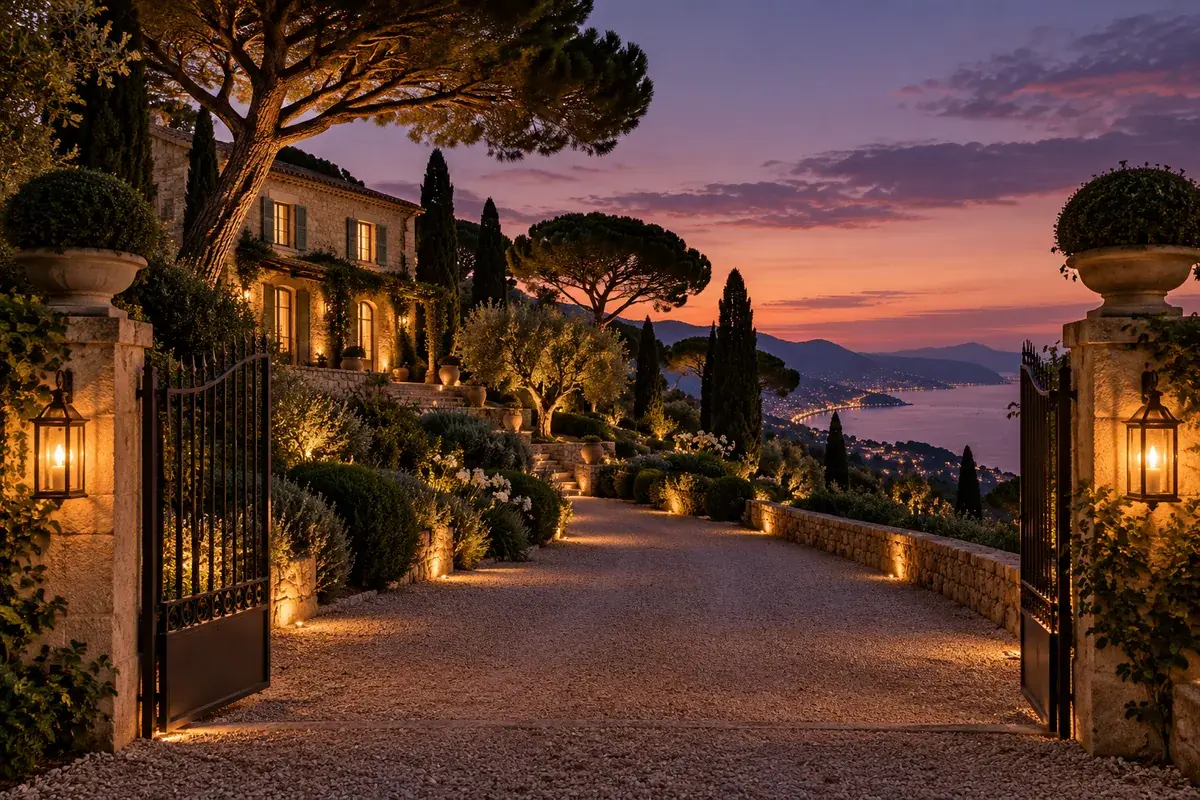
A delay is only a problem when it has not been planned for. The procedure specifies until what time the welcome is done in person, what happens after that (a charged night welcome, self check-in with a code sent, tour postponed to the next day) and how the guest is kept informed. Tracking flights makes it possible to anticipate a delay before it is even reported. For a late arrival, the house is prepared accordingly: outdoor lighting on, access cleared, main bedroom ready, a snack and water available. The on-call person remains reachable during the hour after arrival, in case a door will not open. These rules, known in advance, prevent a flight delay from turning into an incident.
Plan a back-up for every arrival: a second set of keys held locally, the name of a stand-in if the greeter is held up, and an emergency access code that can be activated remotely.
The first contact the next day
The day after arrival, a brief message or a discreet visit makes it possible to check that everything is working and that the guests have found their bearings. This is when small faults that went unnoticed come to light: a blown bulb, a temperamental remote control, a bedroom that is too warm. Correcting them the same day changes the perception of the entire stay, and this feedback feeds into improving the preparation. This contact is also an opportunity to suggest useful services (private chef, restaurant, boat hire) without any sales pressure. It remains measured: some guests appreciate a regular presence, others expect complete discretion, and the quality of the welcome lies precisely in the ability to recognise these expectations from the first exchanges, then to respect them until departure.
Frequently asked questions about personalised check-in
Is an in-person welcome always needed in a luxury rental?
It is the benchmark for demanding guests, but not an obligation. A well-supported self check-in (personal code, video of the equipment, someone reachable, tour the next day) suits guests who arrive late or are looking for discretion.
What should you say to a guest who wants to arrive earlier than planned?
It all depends on the previous departure. If the house is free the night before, it can be ready earlier; otherwise, offer luggage storage, access to the terrace or a recommendation for lunch, and reply as early as possible.
Who pays for a night welcome?
It depends on the concierge company’s offer and your contract: some charge the guest a supplement, others include it in their service. This point should be agreed in writing before the season.

Our guides help owners of high-end properties understand short-term rentals in France: regulations, tax, and choosing and overseeing a concierge company. They are for information only and do not replace advice from a legal or tax professional.